
Spam calls are a prevalent issue in Pennsylvania, especially Lancaster communities, with 150 reports per 100 residents annually. To combat this, a multi-pronged approach is essential:
1. Education: Teach residents to identify patterns like prerecorded messages or unfamiliar local numbers.
2. Reporting: Encourage reporting spam calls to track trends and penalize spammers.
3. Technical Tools: Promote call-blocking apps and network filters for smartphones.
4. Legal Protections: Inform about the Telephone Consumer Protection Act (TCPA) and national/Pennsylvania do not call registries.
5. Community Initiatives: Foster collaboration through workshops, online forums, and local groups to share successful strategies like community watch programs.
By combining these methods, Lancaster residents can significantly reduce spam calls, enhancing their digital safety and privacy in Pennsylvania.
Spam calls are a pervasive and growing issue, impacting millions across Pennsylvania, including the communities in Lancaster. These unwanted and often fraudulent calls disrupt daily life, waste valuable time, and can pose significant security risks. The problem is exacerbated by the evolving nature of spam call techniques, making it challenging for individuals to protect themselves effectively. To combat this, we present a comprehensive toolkit designed specifically for Lancaster communities, offering practical strategies and resources on how to stop spam calls Pennsylvania residents face daily. By empowering community members with knowledge and tools, we aim to minimize the impact of these intrusive calls and enhance overall safety and peace of mind.
Understanding Spam Calls in Pennsylvania: A Community Guide

Spam calls are a persistent problem across Pennsylvania, including Lancaster communities, with an average of 150 spam call reports per 100 residents annually. Understanding the nature and sources of these calls is crucial in combating this nuisance. In Lancaster, where community engagement and collaboration thrive, a proactive approach to raise awareness and implement effective countermeasures can significantly reduce the impact of spam calls.
The first step in creating an anti-spam toolkit involves educating residents on how to identify spam calls. These often include prerecorded messages, automated voice prompts, or unfamiliar numbers displaying local area codes but connecting to distant call centers. A practical guide for Lancaster residents could detail specific patterns and red flags to look out for. For instance, a sudden surge in calls from unknown sources within a short period is a strong indicator of spam activity. Encouraging community members to report such calls to local authorities or relevant telecommunications bodies can help gather data and track trends.
While blocking numbers and registering on 'Do Not Call' lists are common personal defenses, the toolkit should also advocate for collective action. Community-led initiatives like organizing informational sessions or creating online forums can foster a culture of awareness and support. By sharing successful strategies, such as using call-blocking apps or network-level filters that block known spam sources, residents can empower themselves and each other. For instance, many modern smartphones have built-in tools to identify and block spam calls, leveraging machine learning algorithms to adapt over time. In addition to these practical measures, promoting a 'know your rights' mindset is essential. Residents should understand their legal protections against unwanted calls, enhancing their ability to take proactive steps to stop spam calls in Pennsylvania naturally.
Identifying and Blocking Common Spam Call Patterns
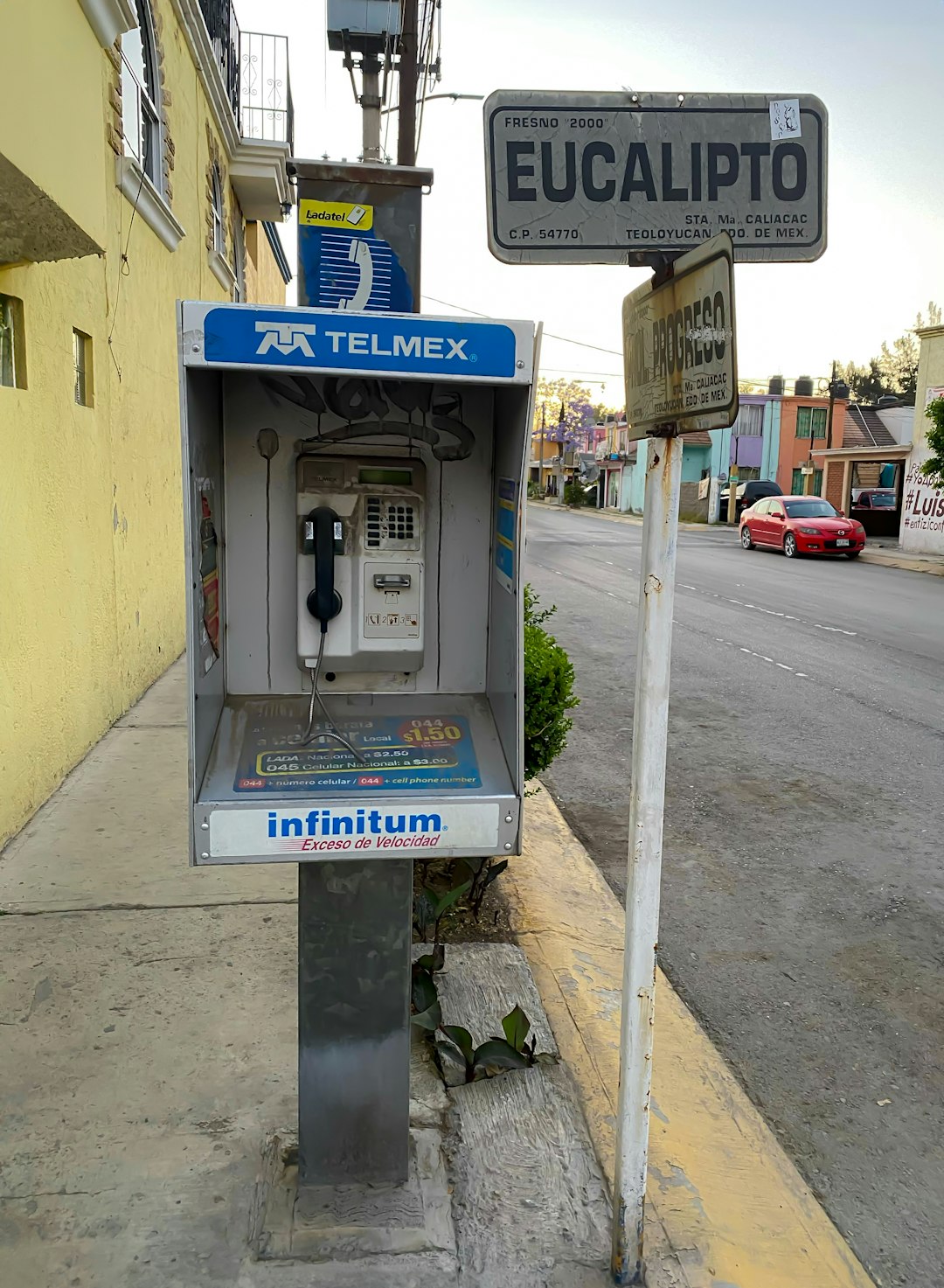
In the battle against spam calls, one of the most effective strategies for communities in Lancaster, Pennsylvania, is to arm themselves with knowledge and tools that enable them to identify and block these unwanted intrusions naturally. Understanding common spam call patterns is the first step towards creating a robust defense mechanism. These calls often exploit familiar scripts and tactics to manipulate recipients into providing sensitive information or performing actions that benefit the spammers. For instance, tech-savvy scammers use automated systems to dial thousands of numbers, employing pre-recorded messages that mimic legitimate organizations to trick individuals into revealing personal details.
To counter this, residents should familiarize themselves with typical spam call characteristics, such as suspicious caller IDs from unknown or out-of-state numbers, urgent requests for immediate action, and offers that sound too good to be true. How to stop spam calls in Pennsylvania involves adopting a multi-layered approach. One practical method is using blocking apps or features available on modern smartphones. These tools can identify and automatically block calls from known spammer ranges, significantly reducing the volume of unwanted interactions. Additionally, reporting these calls to local regulatory bodies, like the Federal Communications Commission (FCC), aids in tracking and penalizing spammers, creating a more robust defense for the community.
Education is another powerful weapon. Community workshops or online resources can teach individuals how to recognize spam call patterns, enabling them to make informed decisions when receiving suspicious calls. Encouraging residents to share experiences and strategies further enhances collective awareness. By combining these tactics, Lancaster communities can create a unified front against spam calls, fostering a safer and more secure environment for all citizens.
Empowering Residents: Tools for Effective Defense Against Spam
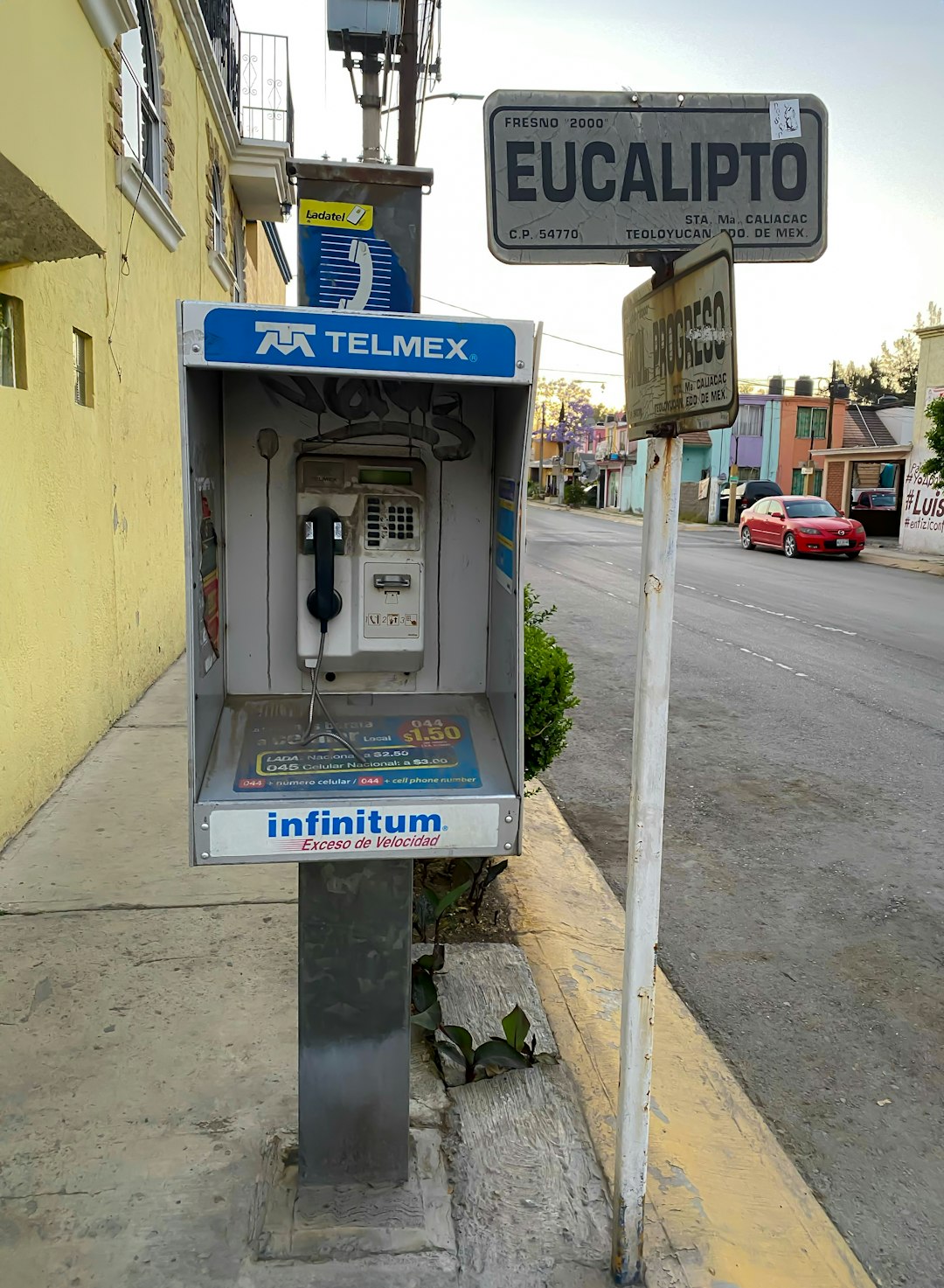
In the face of escalating spam call volumes, Lancaster residents deserve effective tools to protect their privacy and peace of mind. Empowering individuals with knowledge and resources is a powerful strategy to combat this growing nuisance. A comprehensive Spam Call Awareness Toolkit tailored for Lancaster communities offers a multifaceted approach to defense against unwanted calls, fostering a culture of digital literacy and empowerment.
The toolkit should begin with education. Providing residents with insights into how spam call operations operate—their tactics, motivations, and legal loopholes—empowers them to recognize fraudulent attempts more readily. Real-world examples from Pennsylvania, such as common scam scripts or known call patterns specific to the region, can serve as practical case studies. This knowledge allows residents to discern legitimate calls from malicious ones, a critical first step in any defense strategy.
Practical tools are equally vital. Offering guides on configuring call-blocking apps and settings tailored for various smartphone operating systems equips residents with immediate defenses. Additionally, promoting the use of do not call registries specific to Pennsylvania ensures that legitimate numbers remain protected while minimizing false positives. Community-driven initiatives like neighborhood watch programs for spam calls, where residents share information about suspicious activity, can further strengthen collective defenses against these relentless invaders. By combining education and practical tools, Lancaster communities can take back control of their communication channels and enjoy greater peace from unwanted intrusions.
Legal Actions: How to Stop Spam Calls in Lancaster Legally

In Pennsylvania, including Lancaster, spam calls remain a persistent issue, but there are legal avenues to combat this problem effectively. Understanding your rights and taking proactive measures can significantly reduce unwanted phone solicitations. The first step is to familiarize yourself with state laws, such as the Telephone Consumer Protection Act (TCPA), which offers stringent regulations on telemarketing practices. This federal legislation prohibits automated or prerecorded calls placed to individuals without their prior express consent.
One powerful tool is to register your number on the National Do Not Call Registry. In Pennsylvania, this federal registry ensures that your phone number is not used for marketing purposes by commercial entities. It's a straightforward process; you can sign up online or via mail. Moreover, many states, including Pennsylvania, allow residents to file complaints against spam callers with their attorney general's office. These complaints can lead to investigations and potential legal action against violators. For instance, in 2022, the Pennsylvania Attorney General's Office secured a $75,000 judgment against a telemarketing company for violating state laws on unwanted calls.
To stop spam calls naturally, consider employing additional strategies. Screen your calls using call-blocking apps or built-in phone features. Many modern smartphones offer settings to block specific numbers or types of calls. Also, be cautious about sharing your contact information at events or online; some companies use aggressive data harvesting practices that can lead to increased spam. By combining legal measures with technological tools and mindful behavior, Lancaster communities can create a more peaceful environment free from unwanted telemarketing intrusions.
Building a Network: Fostering Community Collaboration Against Spam

Building a strong network is a cornerstone of effective spam call awareness efforts in Lancaster, Pennsylvania. By fostering collaboration within the community, residents can create a powerful collective defense against the relentless influx of unwanted calls. The first step involves raising awareness about the issue and its impact on individuals and businesses alike. Host community meetings or workshops to educate residents on how to identify spam calls, the legal implications, and most importantly, the strategies they can employ to mitigate them. Encourage open dialogue and share best practices—for instance, implementing do-not-call lists, using call-blocking apps, and reporting suspicious numbers.
Community collaboration doesn't stop at information sharing. Encourage residents to form local groups dedicated to monitoring and blocking spam calls collectively. They can create centralized reporting systems, pool resources for advanced call-blocking technologies, and even develop a community-wide database of known spammer numbers. Local businesses, especially those frequently targeted by scammers, can play a pivotal role in this effort. By partnering with schools, community centers, and local law enforcement, these businesses can help spread awareness and train staff to handle such calls professionally.
The success of these collaborative efforts relies on staying informed and connected. Establish regular communication channels, such as dedicated email lists or online forums, where community members can share new spammer tactics, successful blocking strategies, and updated do-not-call lists. How to Stop Spam Calls Pennsylvania-specific resources are readily available, offering guidance tailored to the region's legal framework and common scams. Utilizing these tools, communities can empower themselves, making Lancaster a safer place for residents and fostering a culture of digital literacy and security.