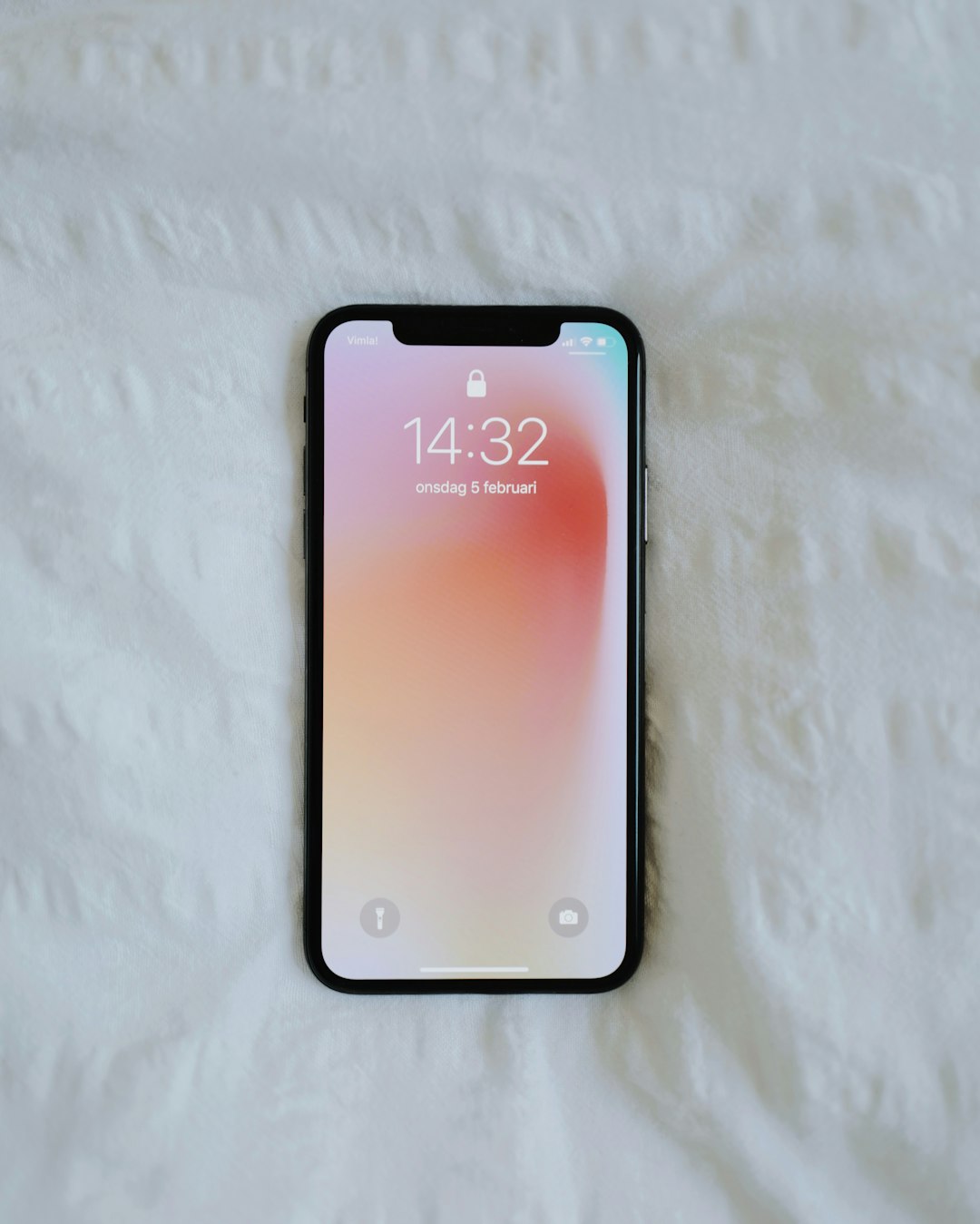
In Pennsylvania, including Pittsburgh, spam calls are a major concern. Call blocking technology is crucial for mitigation. Devices use algorithms, databases, number screening, and voice analysis to block spam calls. Software like TrueCall and Hiya, as well as hardware devices with ANI, offer effective solutions. Reputable providers like RingCentral and Google Voice provide tailored experiences with advanced features. A multi-pronged approach combining technology and community education is essential for optimal results in How to Stop Spam Calls Pennsylvania naturally.
In the digital age, unwanted calls have become a pervasive nuisance, with spam calls reaching an all-time high nationwide, including Pittsburgh. How to Stop Spam Calls Pennsylvania has emerged as a pressing concern for residents facing relentless telemarketing, robocalls, and fraudulent schemes. This authoritative piece delves into the top call-blocking devices designed specifically to combat this growing issue. We explore cutting-edge technologies and practical solutions that empower Pittsburgh residents to reclaim their peace of mind and communication channels, effectively blocking spam calls once and for all.
Understanding Call Blocking Technology in Pennsylvania

In Pennsylvania, including Pittsburgh, dealing with unwanted spam calls has become a significant concern for residents. Understanding call blocking technology is crucial to combating this issue effectively. Call blocking devices utilize sophisticated algorithms and databases to identify and filter out incoming spam calls before they reach your phone. These tools have evolved significantly over the years, leveraging machine learning and artificial intelligence to adapt to new spamming tactics.
One of the primary methods employed by call blocking systems is through number screening. These devices maintain extensive databases of known spammer numbers, often updated in real-time by community contributions and regulatory bodies. When an incoming call arrives, the device compares the caller’s number against these databases. If a match is found, the call is blocked automatically. This approach has proven effective, with studies showing that call blocking services can reduce spam calls by up to 80%. For instance, in Pennsylvania, where consumer protection laws mandate specific measures to combat spamming, residents have reported substantial improvements in their overall calling experience.
Additionally, advanced call blocking technologies use voice analysis to detect and block spam calls. By analyzing the content and patterns of voices, these systems can identify characteristic traits commonly associated with spammer activities. This method, while more complex, offers a natural way to stop spam calls Pennsylvania residents have come to expect. Integrating such technology into your communication infrastructure not only enhances privacy but also promotes a safer digital environment. Experts recommend keeping call blocking software up-to-date to leverage the latest advancements in spam detection and ensure continuous protection against evolving spamming trends.
Top Devices to Block Spam Calls Effectively

Pittsburgh residents face a persistent challenge with spam calls, which has led many to seek effective solutions. The rise of automated telephone systems has made it increasingly difficult to distinguish legitimate calls from unwanted ones. However, several top call-blocking devices offer robust protection against these intrusive distractions. These tools are designed to identify and block spam calls at the source, providing users with much-needed peace of mind.
One of the most effective methods to stop spam calls in Pennsylvania is through advanced call-blocking applications. These apps utilize sophisticated algorithms and databases to recognize and filter out unwanted callers. For instance, TrueCall is a popular choice that blocks not only spam but also robocalls. It leverages crowdsourced data, allowing users to contribute to an ever-evolving list of known spam numbers. Another powerful tool, Hiya, offers real-time protection by detecting and blocking suspicious calls based on behavior patterns and user reports. These apps provide a layer of defense that complements traditional call-blocking features found in home security systems.
Additionally, many residents are turning to dedicated hardware devices. Call-blocking landline phones, for example, offer extensive filtering options, ensuring only desired communications reach the user. Such devices often incorporate advanced technology, such as automatic number identification (ANI) and caller ID, to identify and block spam calls accurately. While initial setup might require some technical knowledge, these systems provide reliable protection against spam. By combining software and hardware solutions, Pittsburgh residents can effectively navigate the landscape of unwanted calls, ensuring a quieter and more secure communication environment.
How to Choose and Implement a Reliable Call-Blocking Solution

Choosing a reliable call-blocking device is an effective step towards reclaiming your time from unwanted calls, especially for Pittsburgh residents facing an increasing number of spam calls. Pennsylvania, like many states, has seen a surge in robocalls, making it crucial to implement robust solutions. The first step is understanding your needs and the capabilities of available technologies. Consider factors such as call volume, desired blocking categories (e.g., sales, telemarketing, scams), and compatibility with your home phone system.
Advanced call-blocking devices offer sophisticated features like intelligent number learning, where the system automatically adapts to new patterns and updates blocking lists regularly. For instance, reputable providers like RingCentral and Google Voice provide cloud-based solutions that seamlessly integrate with landlines, offering comprehensive protection against spam calls Pennsylvania residents face daily. These services often include do-not-disturb modes, call screening, and customizable blocking rules, ensuring a tailored experience.
Implementing a reliable solution involves careful setup and configuration. Users should ensure the device or service integrates smoothly with their existing phone infrastructure. Regular updates and monitoring are essential to stay ahead of evolving spamming tactics. Additionally, combining call-blocking technology with educational efforts can significantly enhance protection. By staying informed about common scams and sharing awareness within communities, Pittsburgh residents can create a more robust defense against unwanted calls, naturally reducing the burden of spam in Pennsylvania.